
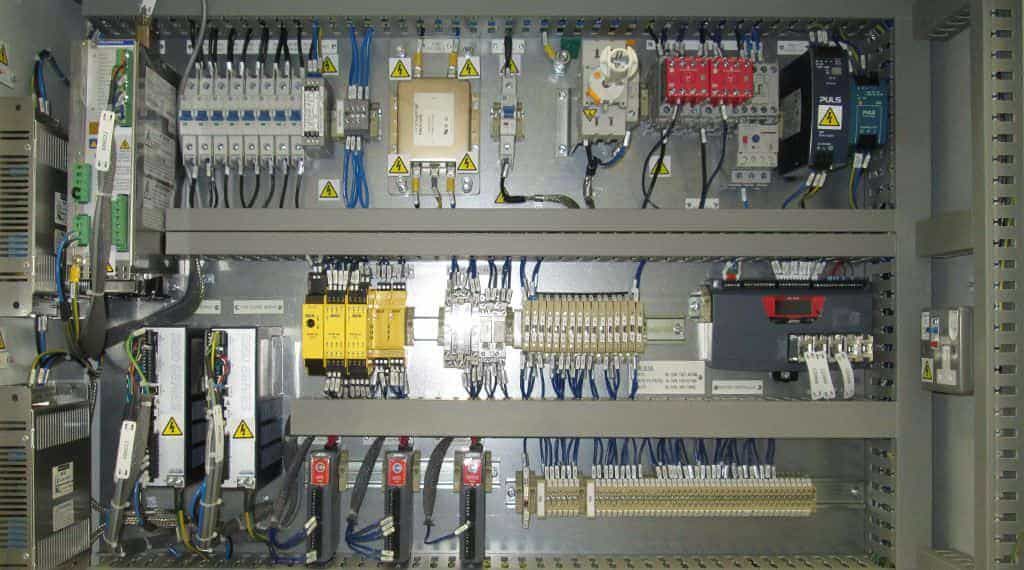
Panel Manufacturing
Panel manufacturing refers to the process of producing panels, which are flat, rectangular structures used in various industries for different purposes. Panels can be made from a variety of materials, including wood, metal, glass, and composite materials.
The manufacturing process typically involves several steps. First, the raw materials are selected and prepared. For example, in wood panel manufacturing, logs are cut into smaller pieces and then processed into veneers or fiberboard. In metal panel manufacturing, sheets of metal are cut to the desired size and shape.
Next, the raw materials are processed and shaped into panels. This may involve cutting, bending, shaping, or molding the materials. For example, in glass panel manufacturing, glass sheets are cut to size and then processed to create different types of panels, such as tempered or laminated glass panels.
After the panels are shaped, they are often treated or finished to enhance their properties or appearance. This may involve applying coatings, paints, or finishes to protect the panels from corrosion, improve their durability, or enhance their aesthetic appeal.
Finally, the finished panels are inspected for quality control and packaged for shipping or delivery to customers. Panel manufacturing can be done in large-scale factories or smaller, specialized facilities, depending on the type and volume of panels being produced.
Panel manufacturing is used in various industries, including construction, automotive, aerospace, electronics, and furniture. Panels are used for applications such as walls, floors, ceilings, doors, windows, roofs, and electrical enclosures. The manufacturing process may vary depending on the specific requirements and standards of each industry.
Request Detailed Information